How to Select the Best Franchise Structure for Growth
Choosing the right franchise structure is one of the most important decisions a business owner can make when planning to expand. The structure you choose shapes how your business grows, how much control you retain, and how effectively you can support your franchisees. A well-planned structure provides a solid foundation for brand consistency, sustainable growth, and long-term success.
This guide explores the most common franchise structures in Australia, key considerations for choosing the right one, and how to align your structure with your goals and capacity.
What are the main types of franchise structures?
Before selecting a franchise model, it helps to understand the different structures available in Australia. Each option offers a distinct way to manage growth and distribute responsibility between franchisor and franchisee.
Single-unit (owner-operator): The simplest model, where a franchisee owns and operates one outlet. It offers tight control over brand standards and is ideal for gradual, local expansion.
Multi-unit: The franchisee owns and operates several outlets within a defined area. This model provides faster growth potential while maintaining consistency under one experienced operator.
Area development: The franchisee commits to opening a set number of outlets within a certain timeframe, allowing controlled regional expansion.
Master franchise: The franchisor grants regional or national rights to a franchisee, who can then recruit, train, and support sub-franchisees. This approach accelerates growth across wider territories.
Joint venture franchise: The franchisor and franchisee share ownership and management of a business. This shared investment approach combines the franchisor’s brand expertise with the franchisee’s local knowledge.
Product or distribution franchise: A franchisee sells or distributes the franchisor’s products under licence. It is often used in industries such as automotive, fuel, and retail, where direct service delivery is less critical.
Each structure has unique benefits and challenges, so it’s important to choose one that aligns with your resources, market position, and desired pace of growth.
What factors influence which franchise structure to choose?
Selecting the right franchise structure depends on your goals, capital, and operational capacity. A well-chosen model supports brand consistency and enables franchisees to perform at their best.
Growth ambition and timeline
Your growth goals play a major role in determining structure. If your aim is steady, controlled expansion, a single-unit or multi-unit model may be ideal. If you want to expand quickly across multiple regions, master franchising or area development may help achieve that faster.
Capital and investment capability
Different structures require different levels of investment. Models such as joint venture and master franchising involve higher start-up and support costs. Smaller systems with single-unit franchisees can often be launched with less capital.
Operational capacity and resources
Ask yourself how much support your team can provide. If your business can only handle a few outlets at a time, it’s better to start with a manageable model. If you have established systems, training programs, and staff capacity, a larger structure might be realistic.
Level of control and autonomy
Some business owners prefer tight control over operations, while others are comfortable granting franchisees more independence. Single-unit and multi-unit models allow closer oversight, whereas master and joint venture structures require greater trust and delegation.
Market demand and territory size
Assess the demand for your product or service in different regions. Strong national demand may justify a master franchise, while localised or niche markets often perform better with single-unit or area development approaches.
Risk tolerance
Consider how much risk you are prepared to share. In joint venture or master franchise models, both parties share financial responsibility and potential rewards. In single-unit models, the franchisor bears less joint risk but may need more active oversight.
What is the best franchise structure for small business owners?
For small business owners just starting their franchise journey, a single-unit or multi-unit structure is usually the best option. These models are simpler to manage, require less capital investment, and allow you to refine your systems and support processes before expanding further. They also make it easier to build strong relationships with franchisees and maintain brand consistency during the early growth phase.
Once your systems are well-established and performing reliably, you can transition to more advanced models such as area development or master franchising to accelerate national growth.
What’s the difference between master franchising and area development?
Both models involve regional expansion, but they differ in how control and responsibility are distributed.
In area development, a single franchisee commits to opening a specified number of outlets within a defined territory and time period. The developer operates all locations directly.
In master franchising, the master franchisee has the right to recruit, train, and support other franchisees in their region. They act almost like a regional franchisor, earning a share of ongoing fees.
Master franchising requires strong systems and leadership to maintain consistency, but it enables rapid expansion. Area development offers more control for the franchisor, though it may grow at a slower pace.
How much investment does a master franchise require?
The cost of a master franchise varies depending on industry, location, and the franchisor’s level of support. Typically, a master franchisee invests more than a standard franchisee because they manage a wider region and support other operators. They need to fund recruitment, marketing, training, and administrative systems.
For franchisors, this model can be cost-effective, as it transfers some financial responsibility to the master franchisee while maintaining brand growth. The key is to ensure the master franchisee has sufficient capital and business experience to manage their network successfully.
Can joint venture franchising lower business risk?
Yes, joint venture franchising can reduce financial risk by sharing ownership and operational responsibilities between franchisor and franchisee. It also strengthens collaboration, as both parties are equally invested in the business’s success. This structure can be particularly effective for businesses in competitive or high-cost industries, where both partners contribute expertise and capital.
However, joint ventures work best when there is mutual trust and clearly defined roles. A well-drafted agreement outlining responsibilities, decision-making processes, and profit-sharing ensures the partnership remains productive and balanced.
Which franchise structure supports long-term growth?
No single structure guarantees success for every business. The best approach is the one that aligns with your growth ambitions, available resources, and operational capacity. Many Australian businesses begin with a single-unit or multi-unit franchise, then expand to area development or master franchising once their systems are proven.
Sustainable growth depends on clear systems, strong relationships, and consistent support. The right structure should enable your business to expand without compromising brand standards or financial stability.
Aligning your structure with your capabilities
Before launching your franchise, take time to ensure your structure aligns with your goals and capacity. Begin with a pilot site to test systems, training, and supply arrangements. Build strong support systems to help franchisees operate confidently and profitably.
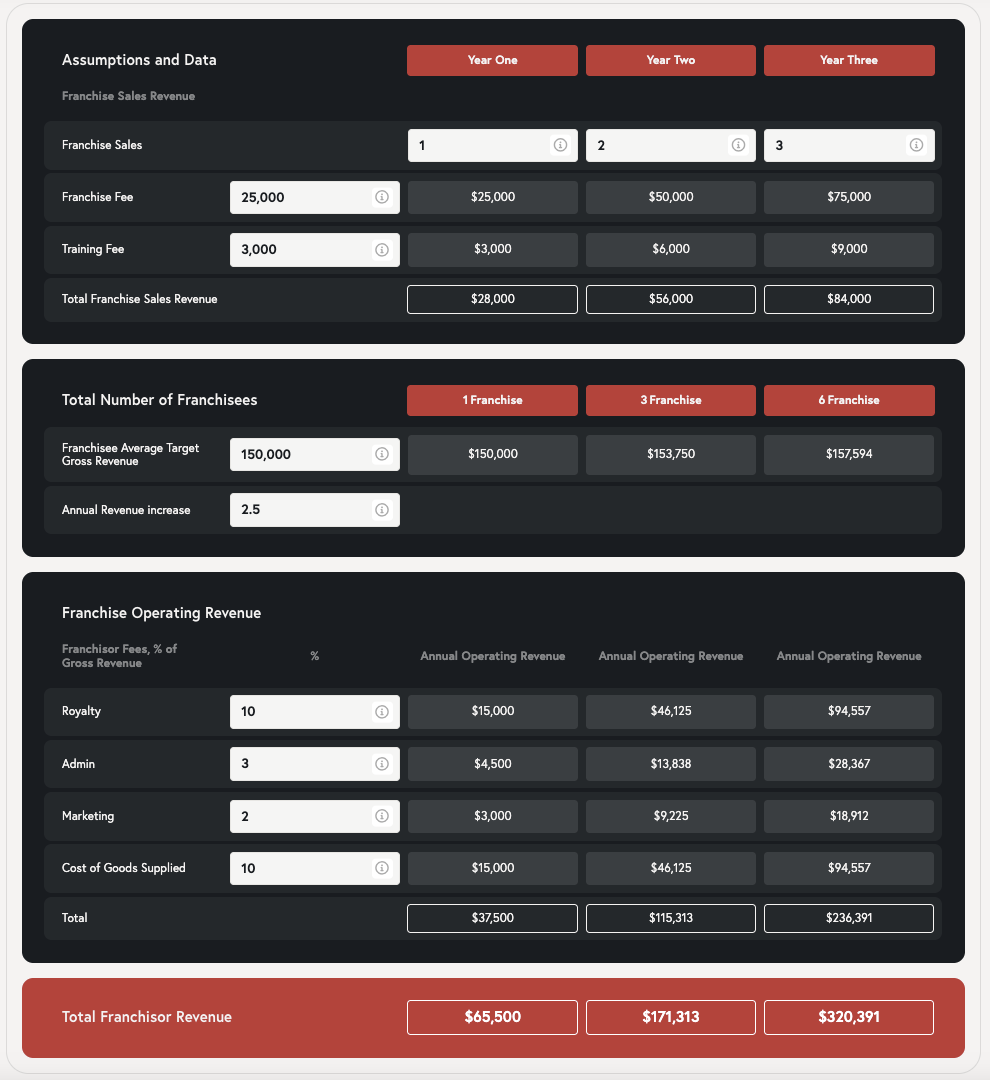
A transparent financial framework is also essential. Define franchise fees, royalties, and marketing contributions clearly so both franchisor and franchisee benefit fairly. Regularly review performance and remain flexible enough to adapt your model as your network grows.
Conclusion
Selecting the right franchise structure is about aligning ambition with capability. The structure you choose should provide scalability, protect your brand, and support your franchisees for the long term. Whether you start with a single-unit franchise or aim to build a master network, success comes from planning, clarity, and commitment to consistent systems.
At TMPlus | Tereza Murray Franchising, we work with Australian business owners to design franchise structures that are practical, scalable, and sustainable. Our team helps you identify the best approach for your brand and build a model that supports growth while maintaining control and quality.
Learn more at www.tmplus.com.au.
.svg)