

How to Structure a Franchise Agreement in Australia
For Australian business owners preparing to expand through franchising, the franchise agreement is one of the most important documents you will ever create. It defines the legal relationship between you, as the franchisor, and your franchisees, setting clear expectations, responsibilities, and boundaries. A strong franchise agreement not only protects your brand but also helps establish consistency and trust across your network.
This guide explains what a franchise agreement should include, how to structure it for growth, and the key considerations that ensure your franchise system is both compliant and attractive to franchisees.
What is a franchise agreement and why is it important?
A franchise agreement is a legally binding contract between the franchisor and each franchisee. It sets out how the franchise will operate, defining each party’s rights and obligations.
For franchisors, the agreement safeguards the brand by outlining how franchisees must represent it, use intellectual property, and deliver products or services. It provides a framework for compliance, consistency, and quality control.
For franchisees, the agreement provides confidence and clarity. It details what support, training, and resources they will receive, as well as their financial commitments and performance expectations. This transparency helps build trust from the start and reduces misunderstandings later.
A well-structured franchise agreement lays the foundation for a smooth working relationship. It ensures that both sides understand their roles, which is essential for network stability and long-term growth.
What are the key components of a franchise agreement in Australia?
Although every franchise system is unique, most Australian franchise agreements include similar core sections designed to protect both the franchisor and franchisee.
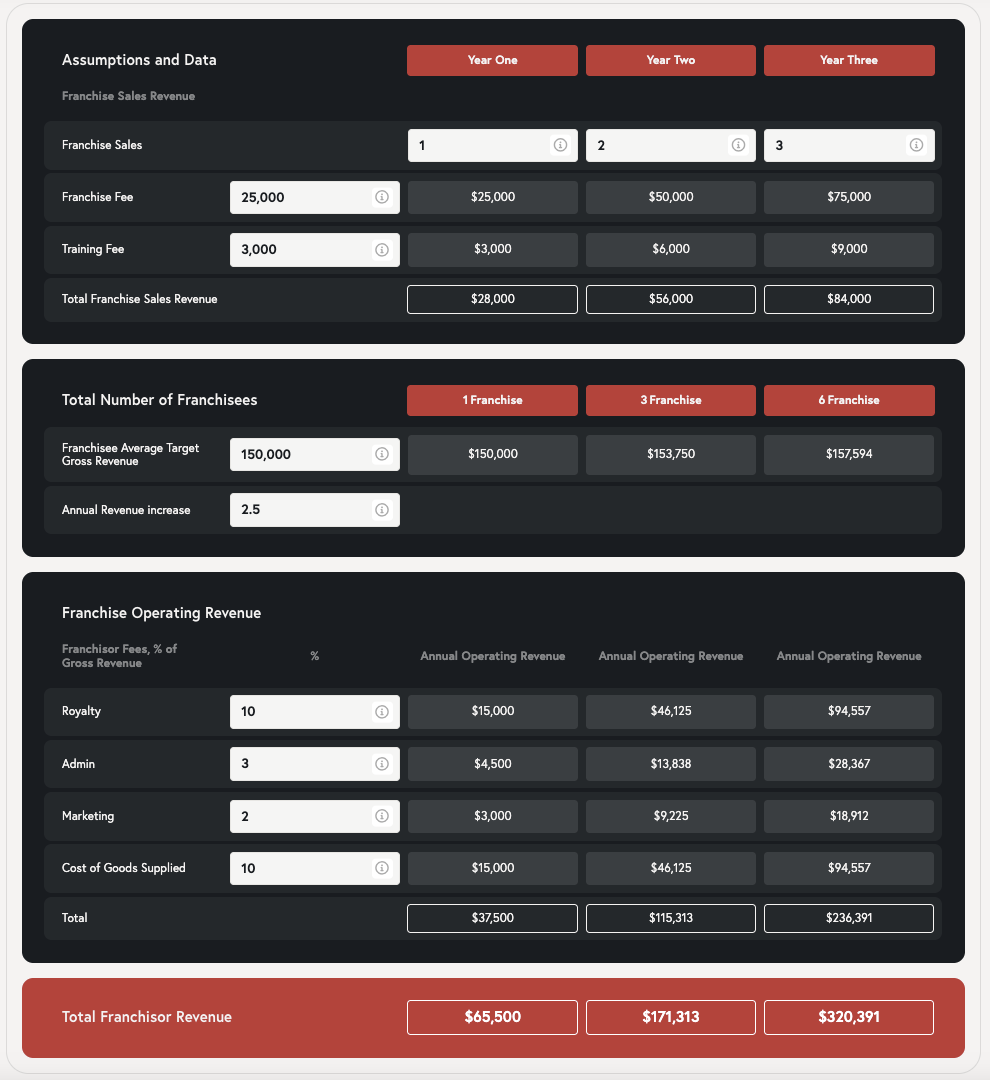
Franchise fees and royalties – Outlines the upfront costs, ongoing royalty payments, and any additional fees such as marketing fund contributions or training costs.
Territory rights – Defines the area in which the franchisee can operate and whether they have exclusivity within that territory.
Training and support – Specifies what initial training will be provided and what ongoing assistance the franchisor will offer.
Operational standards – Details how franchisees must conduct their business, from service quality and branding to equipment, uniforms, and signage.
Contract duration and renewal – Explains the length of the agreement, renewal conditions, and any associated fees.
Clear, concise clauses in each section help prevent confusion and minimise disputes. The best franchise agreements are written in plain language so that franchisees fully understand what they are agreeing to before signing.
What legal obligations apply to franchisors in Australia?
All franchisors operating in Australia must comply with the Franchising Code of Conduct, a mandatory industry regulation enforced by the Australian Competition and Consumer Commission (ACCC).
Key obligations include, but are not limited to:
Disclosure: Franchisors must provide prospective franchisees with a detailed disclosure document. This outlines fees, risks, and dispute resolution options.
Fair contract terms: Agreements must not unfairly favour the franchisor or contain unreasonable penalties.
Marketing fund transparency: If a marketing fund is in place, franchisors must report on how contributions are collected and spent.
Dispute resolution: Every agreement must include a clear, fair process for resolving disagreements.
While franchisors don’t need to be legal experts, it’s essential to work with experienced advisors who understand franchise law. Non-compliance can lead to penalties, reputational damage, and strained franchise relationships.
How can you balance franchisor protection with franchisee appeal?
A good franchise agreement protects the franchisor’s intellectual property and systems without making the arrangement feel restrictive or one-sided. Achieving this balance is key to attracting and retaining quality franchise partners.
To strike the right balance:
Be transparent about financials. Clearly outline all fees, royalties, and contributions so franchisees know what to expect.
Define territory boundaries clearly. Avoid overlap or ambiguity that could cause conflict between franchisees.
Offer practical support. Detail what onboarding, marketing, and operational assistance will be provided.
Build flexibility. Allow for reasonable adaptation if market conditions change, without compromising brand integrity.
When franchisees feel the agreement is fair and supportive, they are more likely to commit long term. This fosters a positive and collaborative culture across your network.
What should franchisors include about renewals and terminations?
Franchise agreements generally run for five to ten years, with options to renew at the end of each term. Renewal clauses should set out:
Performance benchmarks, such as meeting sales targets or compliance standards.
Renewal timelines, ensuring both parties have adequate notice before the contract ends.
Updated terms, allowing the franchisor to adjust conditions to reflect current market realities.
Termination clauses are equally important. They define the circumstances under which a franchisor can end an agreement, such as breaches of contract or non-compliance. They also outline the process for curing issues before termination and specify how franchisees can sell or transfer their business.
Clarity around renewals and exits prevents disputes and gives both parties confidence in their long-term partnership.
What makes a franchise agreement commercially strong?
A commercially strong agreement protects your business interests while supporting franchisee success. It is clear, fair, and adaptable to changing circumstances. It should anticipate real-world challenges, such as market shifts or operational updates, and provide structured solutions.
Consider including clauses that support innovation, such as technology upgrades or new service models. This ensures the system stays competitive and relevant. A strong agreement should also align with your overall franchise strategy, reinforcing brand values and customer expectations across every outlet.
How does TMPlus support franchisors with franchise agreements?
At TMPlus | Tereza Murray Franchising, we work with Australian business owners to design franchise systems that are practical, compliant, and scalable. Our team helps you develop every component of your franchise model, including your agreement, in partnership with trusted franchise lawyers.
We ensure your agreement reflects best-practice principles while remaining attractive to prospective franchisees. From defining financial structures and territory frameworks to outlining support and compliance requirements, TMPlus helps you create a legally sound foundation for growth.
Our approach combines legal insight with practical system design, ensuring your agreements protect your brand, reduce risk, and help your franchise network thrive.
Learn more at www.tmplus.com.au.
.svg)