
Is Franchising Worth It for Small Business Owners in Australia?
If you’re a small business owner looking to grow, you may be wondering whether franchising is actually worth it. The short answer is this, franchising can be a highly effective way to scale your business, but only if your model is suitable and your expectations are realistic.
For many small business owners across Australia, franchising provides a practical pathway to expand without taking on the full cost and risk of opening multiple locations themselves. It allows you to grow through people rather than infrastructure, which can make expansion more achievable.
Why Small Business Owners Consider Franchising
Growth is one of the biggest challenges for small businesses. Expanding often means hiring more staff, increasing overheads, and managing multiple locations directly.
Franchising offers an alternative approach. Instead of growing through employees, you grow through business owners who are invested in their own success.
This creates a model where:
- Expansion is funded by franchisees
- Operators are motivated to perform
- Growth can occur without significantly increasing internal resources
For Australian businesses, this is particularly appealing in competitive markets where scaling efficiently is critical.
Is Franchising Worth It for Small Business Owners?
In simple terms, franchising is worth it if your business is repeatable, commercially viable, and can be operated by someone else.
It is not about having a large or complex business. Many successful franchise systems begin as small businesses with simple, effective models.
Franchising becomes valuable when it allows you to:
- Scale your brand beyond your own capacity
- Reduce reliance on employees
- Build a network of motivated operators
- Create additional revenue streams
However, it requires a long-term approach and a willingness to transition from operator to business leader.
What Are the Benefits of Franchising for Small Businesses?
Franchising offers several advantages for small business owners looking to grow.
How does franchising support business growth?
The short answer is it allows you to expand without funding every new location yourself.
Franchisees invest in their own businesses, which reduces financial pressure on you as the business owner. This allows you to grow faster and with less risk compared to opening company-owned locations.
Does franchising reduce operational pressure?
Franchising can reduce certain operational pressures, particularly staffing and daily management.
Instead of managing multiple teams, you are supporting independent business owners who manage their own operations. This allows you to focus more on strategy, systems, and growth.
Can franchising increase the value of your business?
Yes, franchising can significantly increase the value of your business.
A scalable model with multiple locations and recurring revenue streams is often more attractive and valuable than a single-location operation. It also creates opportunities for long-term expansion.
What Are the Challenges of Franchising?
While franchising offers strong benefits, it is important to understand the challenges.
Is franchising more complex than running a single business?
The short answer is yes, but in a different way.
Instead of managing employees, you are managing relationships with franchisees. This requires clear systems, communication, and consistency across multiple locations.
Does franchising require ongoing support?
Yes, franchisors need to provide ongoing support to ensure franchisees perform effectively.
This does not need to be overly complex, particularly for small businesses, but it does require time and commitment. Your role shifts from operator to supporter and leader.
Can franchising fail?
Franchising can fail if the model is not structured correctly or if franchisees are not supported.
Common issues include scaling too quickly, unclear systems, or unrealistic expectations. These risks can be managed with the right approach and planning.
What Makes Franchising Worth It?
Franchising is worth it when it aligns with your business goals and capabilities.
When does franchising make sense?
The short answer is when your business works consistently and can be replicated.
If your processes are clear and your results are repeatable, franchising becomes a logical next step. It allows you to expand without being directly involved in every location.
Is franchising suitable for all small businesses?
No, not every business is suited to franchising.
If your business relies heavily on your personal expertise or cannot be easily taught to others, it may need to be adjusted before franchising. However, many Australian small businesses are more suitable than they initially think.
What mindset is required to franchise successfully?
Franchising requires a shift in mindset.
You move from being involved in daily operations to focusing on systems, support, and long-term growth. This transition is often one of the biggest adjustments for business owners.
How Do You Know If Franchising Is Right for You?
Deciding whether franchising is worth it comes down to your goals and how your business operates.
What questions should you ask before franchising?
The short answer is to assess whether your business can operate without you.
Consider whether:
- Your business delivers consistent results
- Your processes can be taught to others
- There is demand in other locations
- You are willing to support franchisees
If these factors are in place, franchising may be a strong option.
Are there alternatives to franchising?
Yes, alternatives include opening additional locations yourself or using contractor-based models.
However, these approaches often come with higher costs, greater management requirements, and increased risk. Franchising provides a more scalable and structured pathway for many small business owners.
What Is the Long-Term Value of Franchising?
Franchising is a long-term strategy focused on building a scalable business.
Does franchising create ongoing income?
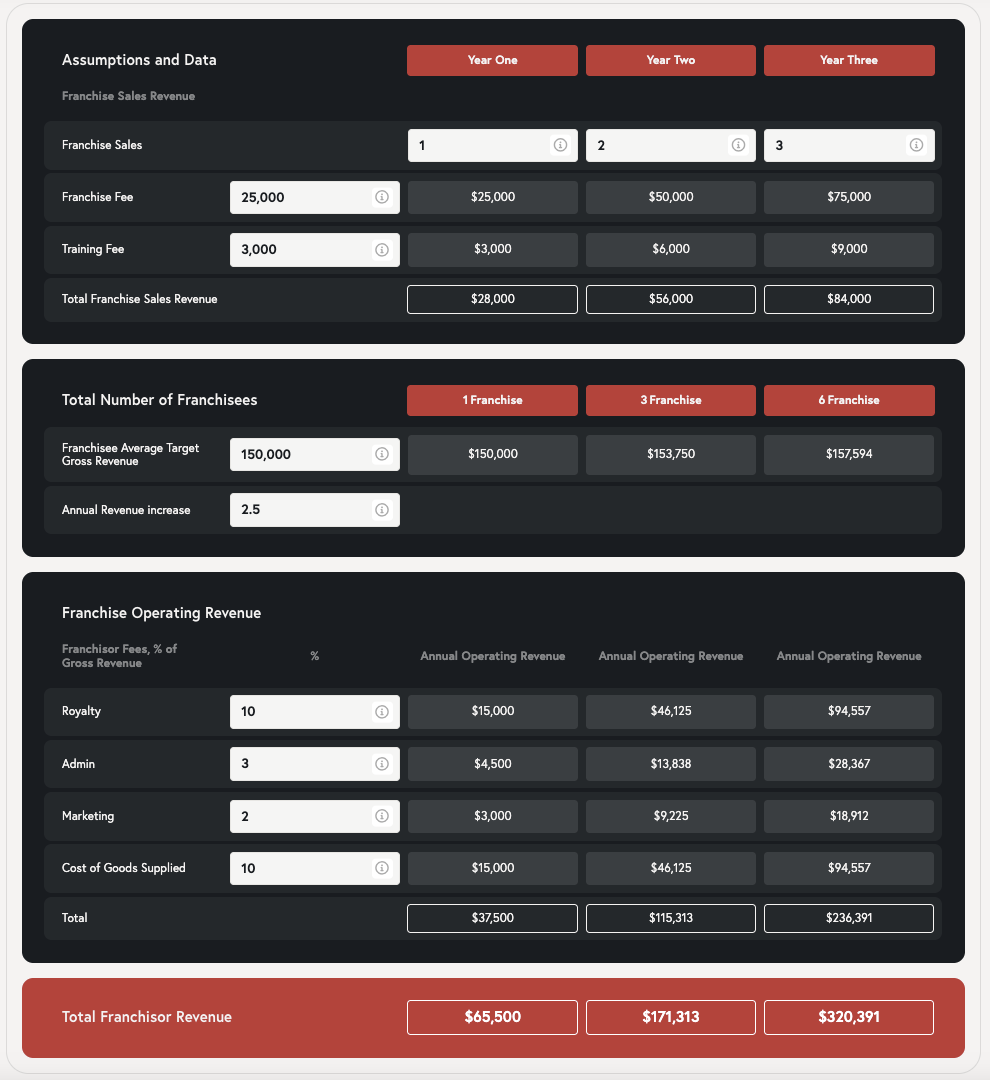
Yes, franchising can create ongoing income through royalties and network growth.
As your franchise network expands, your income grows alongside it. This creates a more stable and scalable revenue model compared to a single-location business.
Can franchising create a more sustainable business?
Franchising can create a more sustainable structure by reducing reliance on a single location or operator.
A network of franchisees spreads risk and creates multiple revenue streams, making the business more resilient over time.
Final Thoughts
Franchising can be a highly effective growth strategy for small business owners, but it is not the right fit for every business.
If your business is repeatable, your systems can be taught, and you are prepared to support other business owners, franchising can provide a scalable and sustainable pathway to growth.
TMPlus | Tereza Murray Franchising works with small business owners across Australia to assess suitability and develop structured franchise models that support long-term success. Learn more at www.tmplus.com.au
.svg)