
What Does a Franchisor Really Do?
Franchising gives small business owners the opportunity to grow their brand while reducing their involvement in daily operations. Instead of managing staff directly, franchisors lead a network of independent Franchise Partners who operate their own businesses under the same brand, systems, and values. This transition allows business owners to scale efficiently while shifting their focus from operations to leadership.
Becoming a franchisor means moving into a new role entirely. You are no longer just running your own outlet; you are supporting and guiding others to replicate your success. It is a shift from doing the work yourself to enabling others to do it well, which requires new systems, structure, and a clear strategy.
What is the main role of a franchisor?
The primary role of a franchisor is to support, lead, and protect the brand. Franchise Partners are independent, but they look to the franchisor for direction and proven systems that make their businesses work effectively. Your main task is to equip them with the tools and confidence to succeed while maintaining the quality and reputation of the brand.
Rather than focusing on tasks like rostering or handling customer complaints, franchisors focus on building and refining the systems that prevent those issues from arising. The goal is to create a structured business model that can run efficiently without your direct involvement.
At its best, franchising is a collaborative partnership. The franchisor provides structure and leadership, and Franchise Partners bring energy, local knowledge, and customer connection. When both parties work together, the network becomes stronger than any one individual business.
How does a franchisor support Franchise Partners?
Support is the heart of any successful franchise network. A well-supported Franchise Partner is more confident, performs better, and represents the brand more effectively. This support begins with training and documentation but continues throughout the entire franchise relationship.
The operations manual is one of the most essential tools for this support. Often described as the business playbook, it outlines how every part of the business operates, from marketing to customer service. It provides consistency across locations and helps new Franchise Partners get started smoothly.
There are two key purposes for this manual:
1. Training and onboarding: It helps Franchise Partners learn how to replicate your model correctly and efficiently.
2. Ongoing improvement: It allows for updates and refinements as the business evolves so that everyone stays aligned.
TMPlus works with business owners to develop these systems and manuals even if they do not yet exist. We help you capture what you already know and structure it into a documented, scalable model that supports Franchise Partner success.
Beyond manuals, franchisors also provide marketing support, refresher training, and access to tools and technology. When Franchise Partners feel supported, they are more motivated, more loyal, and better ambassadors for your brand.
How does a franchisor balance independence and consistency?
One of the most common challenges for franchisors is maintaining consistency across multiple locations while giving Franchise Partners enough independence to run their businesses. Franchisees are business owners, not employees, so they need autonomy — but the customer expects a familiar brand experience everywhere they go.
To balance this, franchisors set clear boundaries around what is flexible and what is non-negotiable. For example, a franchise might allow flexibility in local promotions or staffing choices, while core service quality, pricing, and branding remain consistent.
This balance ensures Franchise Partners feel empowered but understand their responsibilities to the brand. The franchisor’s role is to communicate expectations clearly and provide resources that help Franchise Partners deliver the same high standards, regardless of location.
Franchise systems that achieve this balance tend to grow faster and retain Franchise Partners for longer. They create a culture where independence thrives within a strong framework of shared values and consistent practices.
What challenges does a franchisor face when expanding?
Even the best-prepared franchisors face challenges as their networks grow. Each new location adds complexity, from managing communication to maintaining culture across regions.
Some of the most common challenges include:
Ensuring consistent customer experience across multiple locations.
Helping Franchise Partners overcome staffing and local competition issues.
Maintaining compliance with legal and brand standards.
Managing growth without overstretching support resources.
These challenges do not signal failure; they are part of scaling successfully. The key is anticipating them early and creating systems that prevent small issues from turning into bigger ones.
Regular communication is vital. Franchisors often hold annual conferences, regional catch-ups, and one-on-one meetings to ensure everyone feels connected. Encouraging Franchise Partners to share best practices helps build a strong network culture and keeps everyone moving forward together.
How does a franchisor take on a strategic leadership role?
When you become a franchisor, your role shifts from operations to strategy. Instead of running a single business, you are leading a network of businesses that depend on your systems and direction.
Your responsibilities include:
Expanding your franchise network into new markets.
Protecting and growing the brand’s reputation.
Supporting Franchise Partner profitability and retention.
Introducing innovation through technology, marketing, or product development.
Building scalable frameworks that keep the system efficient as it grows.
A successful franchisor thinks long-term. You are focused on sustainability, not short-term gains. Every new initiative should strengthen the network and reinforce brand trust. With this mindset, franchising becomes a vehicle for collective success rather than a series of independent operations.
How does TMPlus help business owners become effective franchisors?
At TMPlus | Tereza Murray Franchising, we work with business owners who are ready to move from running a single business to leading a franchise network. You do not need to have your systems documented before starting. Our team develops the manuals, training, and support structures with you as part of the franchise development process.
TMPlus provides everything needed to build a scalable franchise, including:
Operations manuals and training systems.
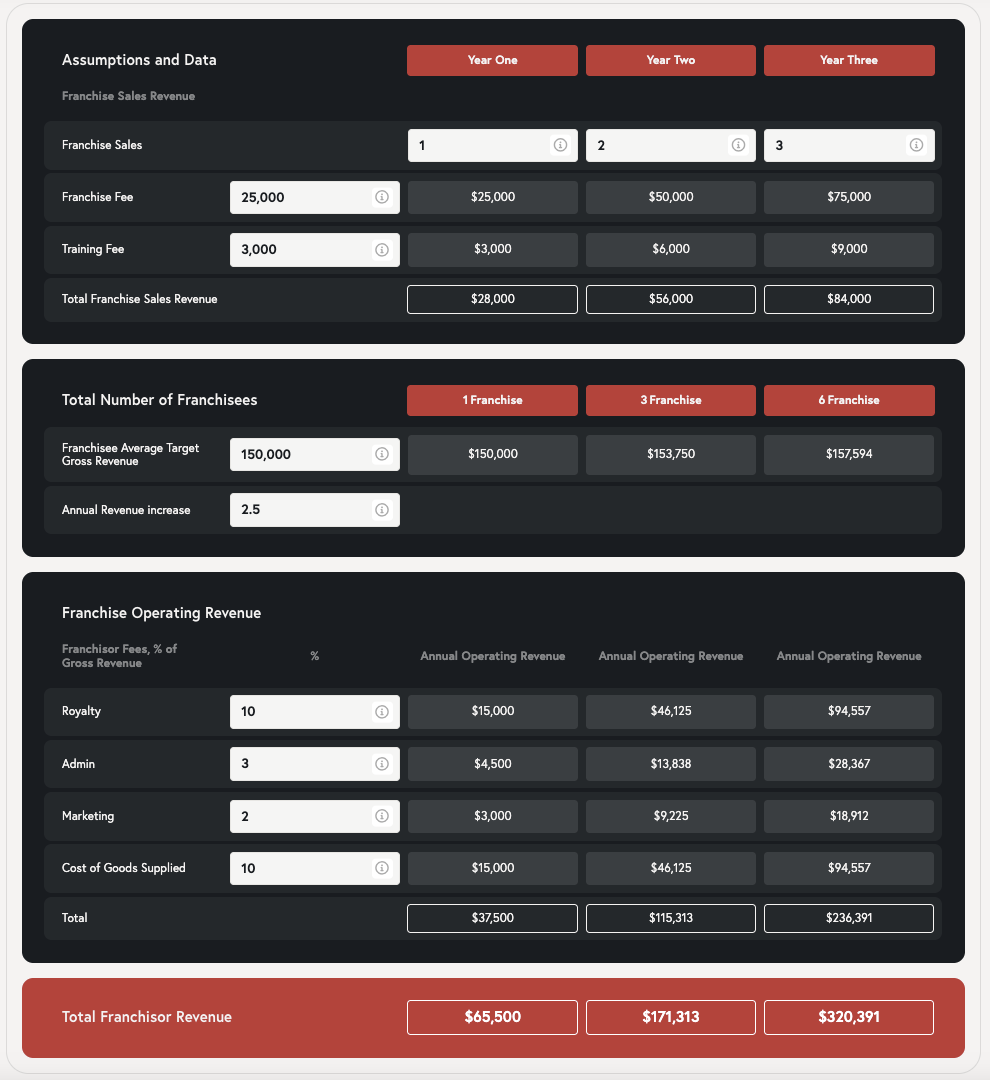
Franchise fee modelling and financial structures.
Franchise recruitment and onboarding strategies.
Brand and compliance documentation.
Long-term mentoring and support for network growth.
Our approach ensures your franchise is not only compliant but also practical, profitable, and ready to thrive. Learn more at www.tmplus.com.au.
.svg)