
Franchising Strategies for Thriving in Tough Economic Times
Economic downturns can be unsettling for many Australian small business owners. Tightened cash flow, shifting consumer habits, and reduced access to capital can make it difficult to maintain stability, let alone grow. Yet, within these challenges lies opportunity. Franchising offers a structured, proven pathway to resilience and expansion, even in uncertain conditions.
By adopting the right franchising strategies, businesses can not only protect themselves but thrive. Let’s explore how franchising can help you navigate economic turbulence and position your business for long-term success.
Why is franchising a strong option during tough economic times?
When the economy slows, many independent businesses struggle with higher costs, limited capital, and decreased demand. Franchising, however, distributes these pressures across a network. Franchisees invest their own capital, operate their individual locations, and share responsibility for performance.
This model means:
Shared financial risk between franchisor and franchisees
Stronger cash flow, as franchise fees and royalties provide ongoing revenue
Faster recovery, because local franchisees adapt quickly to changing market conditions
Franchising creates a partnership model that benefits both sides. For small business owners, it provides an effective way to sustain growth when other models may stall.
How does franchising minimise risk during uncertain times?
Franchising is built around a proven and repeatable business model. It allows franchisees to replicate success using established systems, rather than starting from scratch. For franchisors, this structure reduces operational and financial exposure.
Key risk-reduction benefits include:
Replicable systems: Franchisees follow tested methods that have already been proven successful.
Shared responsibility: Financial and operational risks are spread across the network, not borne by one business owner.
Local resilience: Franchisees who know their markets can make quick, informed decisions to maintain profitability.
At TMPlus | Tereza Murray Franchising, we work with business owners to design franchise systems that are resilient and adaptable, ensuring stability even when the market changes.
Are franchise opportunities more affordable during economic downturns?
Surprisingly, tough economic times can make franchising more accessible. Many franchisors offer reduced entry costs or flexible payment terms to attract new franchisees. For example:
Lower initial franchise fees to encourage uptake
Staggered payment structures to ease early cash flow pressure
Shared marketing contributions to support launch success
For business owners considering becoming franchisors, this presents an opportunity to grow your network without overextending financially. By making your franchise model affordable, you attract high-quality franchisees who might otherwise delay investment.
At TMPlus, we help business owners develop franchise models that balance franchisee affordability with long-term sustainability. The result is a model that thrives in both good and challenging times.
Which industries perform best in challenging economic conditions?
Not all industries are equally affected by downturns. Some sectors remain resilient because they provide essential or in-demand services regardless of market conditions.
Resilient industries for franchising in Australia include:
Food and beverage, especially takeaway or quick-service concepts
Cleaning, maintenance, and repair services
Health and wellness
Aged care and childcare
Logistics and delivery
Home improvement and essential trades
If your business operates in or near one of these industries, you already have a strong foundation for franchising success. During economic uncertainty, customers continue to prioritise value, reliability, and convenience, all of which well-structured franchise systems can deliver.
How can franchises adapt to changing market conditions?
Adaptability is key during an economic downturn. Successful franchises identify emerging trends early and adjust their operations, pricing, and offerings accordingly.
Some of the most effective strategies include:
Refining product or service offerings to focus on high-demand, affordable options
Leveraging technology to streamline operations and enhance customer convenience (e.g. mobile ordering, online booking, automation)
Building stronger customer relationships through loyalty programs or community engagement
Training franchisees to manage costs, improve efficiency, and retain customers during slower periods
Franchises that embrace innovation tend to outperform their competitors. With TMPlus, we help clients integrate adaptive strategies into their franchise systems to stay relevant and competitive.
What role does franchise support play during downturns?
Support is one of the key advantages of the franchise model, especially when economic conditions are tough. Franchisees are not alone, and franchisors have a vested interest in helping them succeed.
A strong support structure typically includes:
Comprehensive training programs to build franchisee confidence and capability
Marketing assistance to attract and retain customers even in slower markets
Operational guidance to help franchisees manage costs effectively
Peer support and networking within the franchise community
This sense of belonging and shared success helps franchise networks weather economic storms better than standalone small businesses.
TMPlus works with franchisors to design scalable and effective support frameworks that strengthen both franchisee performance and overall brand resilience.
Why is franchising a smart move in difficult times?
Economic downturns often prompt businesses to rethink their strategies. While some focus on cutting back, others use the opportunity to invest in scalable, low-risk models. Franchising stands out because it enables growth through collaboration.
Here’s why franchising is a smart move when conditions are tough:
Lower expansion risk: You grow your brand using franchisee capital instead of debt.
Sustained income: Ongoing royalties and fees provide consistent revenue streams.
Motivated operators: Franchisees are business owners with a personal stake in success.
Flexibility: Franchisors can scale up or down depending on market conditions.
This shared-growth approach not only supports financial security but also encourages innovation and agility.
How can TMPlus help your business franchise successfully?
At TMPlus | Tereza Murray Franchising, we work with business owners to turn strong, proven business concepts into franchise systems that perform in any market.
Our process includes:
Assessing your business’s readiness to franchise and identifying areas to strengthen.
Developing market-ready franchise packages, including all legal, operational, and training materials.
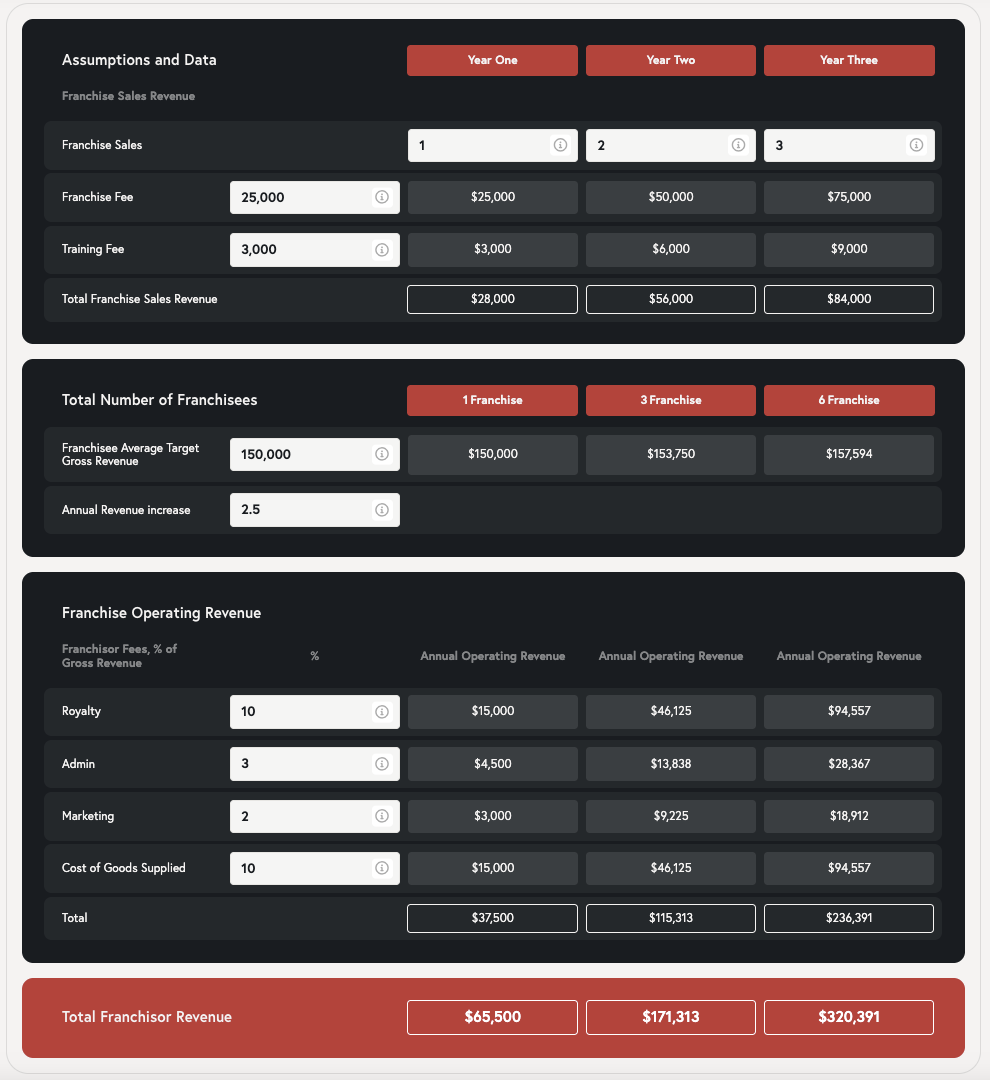
Designing financial models that ensure sustainable profitability for both franchisor and franchisees.
Building franchisee recruitment systems to attract the right partners for long-term success.
Providing ongoing mentoring to help franchisors manage and grow their network effectively.
Many of our clients recover their investment with their first franchise sale. We focus on building systems that are not only compliant and practical but also profitable.
Final Thoughts
Franchising is one of the most resilient business growth strategies available to Australian small business owners. It offers shared risk, steady income, and motivated partners who help sustain your brand even during economic uncertainty.
By focusing on adaptability, affordability, and strong franchisee support, you can create a system that thrives regardless of market conditions.
If you are ready to explore how franchising can future-proof your business, visit TMPlus | Tereza Murray Franchising to learn how we help business owners grow sustainably and confidently, even in challenging economic times.
.svg)