Is My Business Too Small to Franchise?
Many Australian small business owners assume franchising is only for big companies with multiple locations, large marketing budgets, and national brand recognition. The truth is, many of Australia’s most successful franchise systems started from a single local business with a good idea, strong demand, and the right systems.
If your business delivers consistent results, has clear processes, and is profitable, you may be closer to being franchise-ready than you realise. Franchising is less about scale and more about structure. With the right framework in place, even a small business can grow into a sustainable and successful franchise network.
Do you need to be a large business to start franchising?
No, franchising is not determined by business size but by systemisation. The essential ingredient is whether your business can be replicated and run successfully by others.
A strong franchise system is built around clear, repeatable processes that deliver consistent results. If your business generates reliable revenue, maintains quality, and meets customer demand, you already have the foundations of a franchisable model.
The most successful franchises are built on operational simplicity, not size. A smaller business with efficient systems, strong leadership, and a clear customer offering can be far more suited to franchising than a large but disorganised operation.
Franchising is about taking what already works in your business and creating a structure that allows others to follow it. Once you can train someone else to achieve similar outcomes using your model, you have the basis of a franchise system.
Can you franchise with only one location?
Yes, many of Australia’s best-known franchise brands began with a single, well-run business. The number of locations you have is far less important than the strength and performance of your original site.
If your first location operates efficiently, demonstrates consistent profitability, and has a clear customer experience, you may already be ready to franchise. What matters most is that your business can be duplicated through documented systems, training, and support.
Before expanding, it’s worth asking:
Can the business operate without you present every day?
Are your systems proven and easy to follow?
Can new team members deliver the same results with proper training?
If the answer is yes, then you likely have a replicable model that can be transformed into a franchise.
Why are small businesses often better suited to franchising?
Smaller businesses are often leaner, more agile, and simpler to replicate. Large companies can struggle with complex systems, high overheads, and bureaucracy that make duplication difficult. In contrast, small businesses typically have streamlined operations that can be easily documented and scaled.
This simplicity gives small businesses a natural advantage. Their systems can be standardised faster, costs are easier to control, and franchisees can be trained more efficiently. A small business with a clear concept and well-defined brand experience can often expand more effectively than a larger, multi-layered organisation.
In many cases, small businesses also have a stronger connection to their customers and community, which makes their model more appealing to franchisees who want to bring that same experience to other areas.
Do you need strong brand recognition before franchising?
No, you don’t need to be a household name to start franchising. Most franchise networks begin as small local businesses with limited reach. The brand recognition grows as the franchise expands.
What matters is that your business has a recognisable identity, clear values, and a consistent customer experience. A well-structured franchise system will help you scale that identity into new markets, building recognition over time.
Strong branding in franchising comes from consistency. Each new franchisee who joins your network strengthens the brand by delivering the same quality and experience customers expect. Over time, this consistent replication builds trust and brand equity.
What makes a small business franchise-ready?
Several factors indicate that your small business might be ready to franchise:
Proven profitability: You consistently achieve results that show your business model works.
Replicable systems: Your operations can be documented and taught to others.
Brand consistency: You have established a clear brand identity, service standards, and customer promise.
Market demand: There is room for your business to expand geographically or into new segments.
Leadership mindset: You are ready to move from being an owner-operator to mentoring and supporting others.
If these elements are in place, you’re already well on your way to becoming a franchisor.
What are the biggest challenges for small businesses franchising?
While small businesses are often well-suited to franchising, the transition still comes with challenges. Developing a franchise system requires investment in documentation, legal compliance, and support infrastructure.
Some of the most common hurdles include:
Building training programs that enable new franchisees to operate independently.
Creating operational manuals that outline every core process clearly.
Establishing systems for marketing, communication, and performance tracking.
Balancing control with flexibility, allowing franchisees to operate confidently while maintaining brand integrity.
These challenges can be overcome with expert guidance and a structured approach. Once in place, your franchise model becomes a blueprint for consistent, scalable growth.
How can small businesses prepare to franchise successfully?
The key to successful franchising lies in preparation. Start by analysing every process in your business, from customer onboarding to marketing and operations. Refine systems to ensure anyone can replicate your results.
Next, develop a clear value proposition for potential franchisees. This should highlight what makes your business appealing, such as your brand, support systems, or profitability. Finally, engage experienced advisors who can help you build the right franchise structure, legal framework, and financial model.
Franchising is a long-term growth strategy, not a quick fix. The more time you invest in preparation, the stronger your network will be once you launch.
How does TMPlus help small businesses franchise successfully?
At TMPlus | Tereza Murray Franchising, we work with Australian small business owners to transform successful single locations into scalable franchise networks. Our team helps you assess your readiness, document your systems, and develop a complete franchise framework that aligns with your goals.
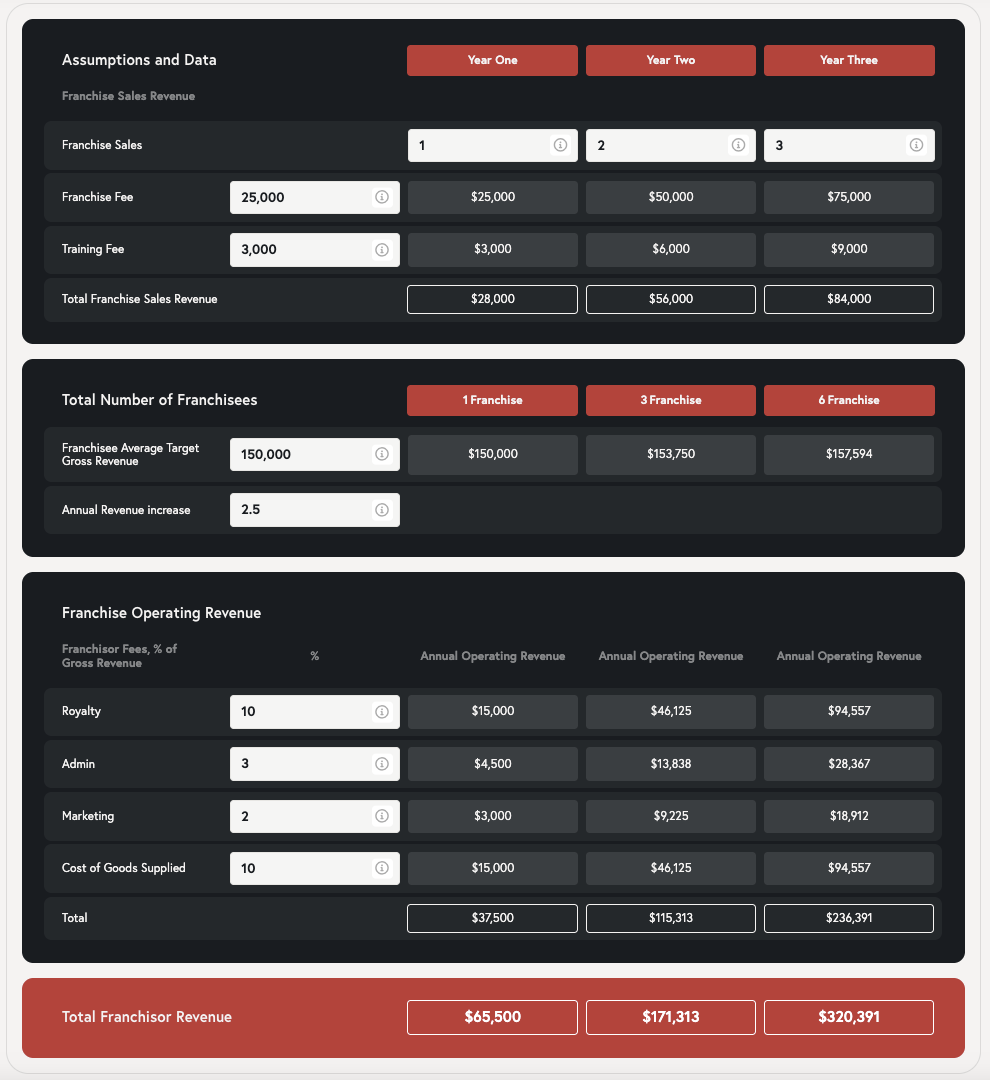
We focus on creating models that are practical, affordable, and designed for long-term success. From operational manuals and training systems to financial modelling and recruitment support, TMPlus provides the tools and guidance needed to launch with confidence.
Franchising isn’t just for large corporations. With the right structure and support, small businesses can grow nationally while maintaining control and protecting their brand.
Learn more at www.tmplus.com.au.
.svg)