Prepare Your Business to Scale Through Franchising
Franchising is a smart way for small business owners to grow. If you've built something that’s working well and you want to expand without opening every site yourself, turning your business into a franchise can be a great next move. But to set it up the right way, it takes more than just a good idea or a popular service. You need a business that's ready to grow and can be taught and replicated, not just managed day to day by you.
That’s why building a strong foundation comes first. Before you even think about offering franchises, your business needs to run smoothly, be easy to explain to someone else, and stand out from the crowd. That foundation is what allows your model to scale and still deliver the same experience every time. If that part isn’t strong, things can go sideways quickly. Preparing early saves headaches later on and gets you closer to building something that lasts.
Assessing Your Business's Readiness
Before you start preparing franchise documents or thinking about territories, take a step back. You’ve got to know if your business is actually franchise-ready. That doesn’t mean it has to be the biggest or flashiest business in the space. It just means it’s stable, working well, and can be taught and repeated by other people.
Start by asking yourself:
- Is your business consistent from month to month?
- Can it run without you there every day?
- Do you have loyal customers who keep coming back?
- Are your services or products clearly defined?
- Is the business making a healthy profit and has it done so for over a year?
If you’re mostly answering yes, you’re in a solid spot to start planning. If not, that’s fine too. It just means a few more things need to be worked through to make it franchise-ready. The most important thing is that the business runs on clear systems and doesn’t rely completely on you.
Think of a café where the owner is on site each day, managing almost every bit of it. That setup might look great in one location, but it doesn’t transfer well when someone else tries to run it in a new spot. A repeatable model means anyone running your systems can succeed without you having to be in the room.
It’s also a good idea to speak with the consultant before diving into development. They can help you spot gaps you might have missed and give you a clearer picture of what needs improvement before scaling.
Streamlining Operations
If someone is going to take on your business model, they’ll need a clear set of steps to follow. That’s where solid processes, documentation, and systems play a massive role. These create consistency and help each franchise hit the same standards.
Begin with documenting your current workflows. List out the day-to-day actions, how frequently tasks are done, and who does what. Consider things like:
- How customers are welcomed or serviced
- How stock is managed and reordered
- How reporting is done each day or week
- How your staff are trained and kept on track
- How issues or complaints are handled
Once everything’s down on paper, see where the gaps or time-wasters sit. You might find certain steps are clunky or unnecessary. Tidying these now stops the problems from following your brand into new locations.
You might also bring in some helpful tools. Booking systems, basic scheduling platforms or cloud-based software can tighten things up a bit. But the focus should be on building a business that runs cleanly without needing too many complex tech layers.
If your systems are ever-changing and nothing’s written down properly, it’s harder for franchisees to deliver on your promise. Strong operations mean everyone knows what’s expected, and it builds trust that the business can run smoothly anywhere.
Building a Strong Brand Identity
Your brand is the face of your business, and in franchising, it’s what new locations are really buying into. So before you grow, your brand needs to mean something. It’s more than a polished logo. It’s the experience, tone, style, and message customers get every time they visit or interact with your business.
To get your brand identity locked in, cover the basics first:
- A professional logo that looks good across different platforms and applications
- Clear brand voice that connects with the people you serve
- Messaging that shows off your values and purpose
- Visual consistency across everything, website, signage, packaging, uniforms
- Protection of your brand with trademarks for your name, logos, or slogans
You want new franchise locations to feel like part of the same family, no matter who’s running them. That only happens when branding is well-documented and protected.
Thinking ahead saves you time and costs later. A strong brand gives your new partners confidence and makes it easier to roll out future locations without confusion.
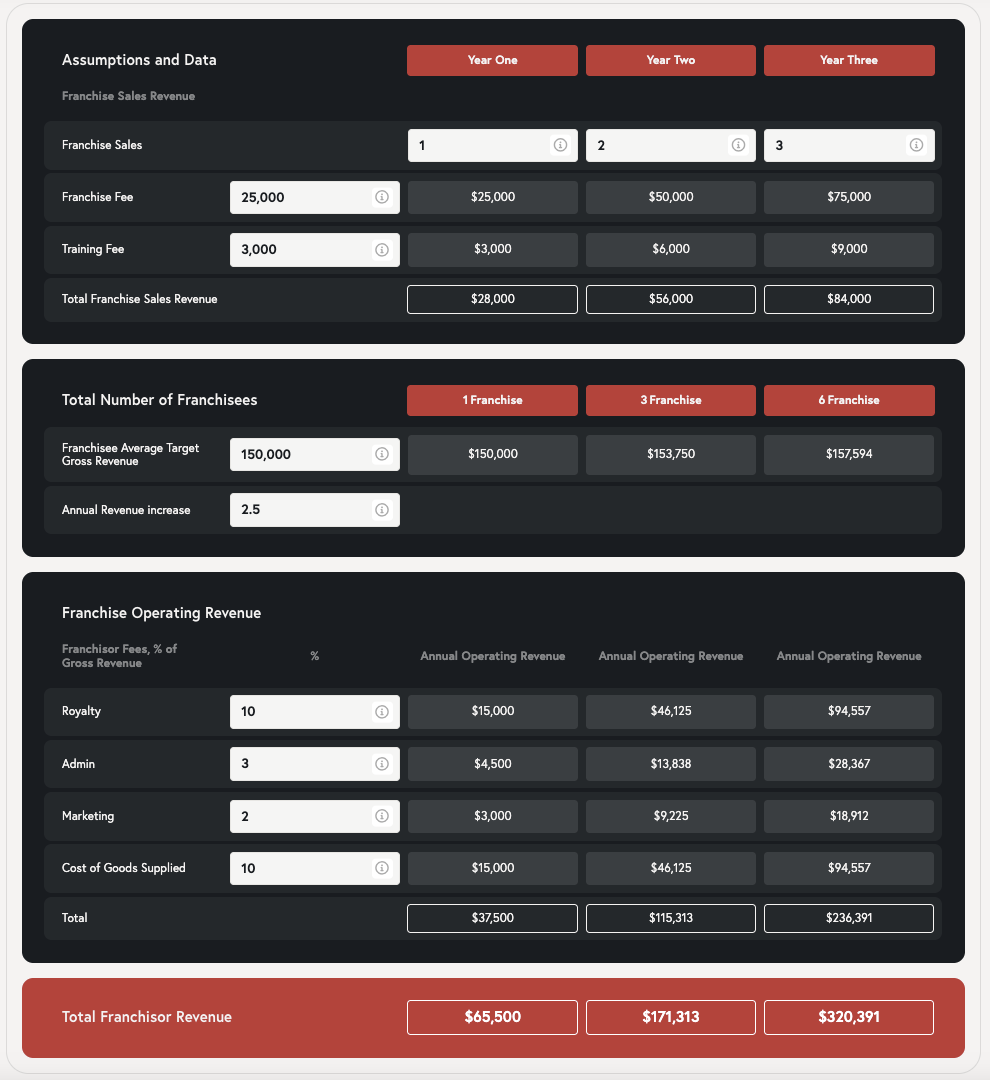
Financial Planning and Funding for Franchising
One thing that often catches people off guard is how much setup is involved, both financially and time-wise. It’s not just plugging into new locations and watching growth happen. There’s a fair bit to build before your first franchise opens.
You’ll need to budget for things such as:
- Working with the consultant
- Revamping visual assets, systems, or marketing content
- Training resources and possible website updates
- Trademarks and IP protection
Funding might come from cash flow, business loans, grants, or external support. Either way, it’s important to know ahead of time how flexible your finances are and how you’ll keep things moving forward while setting it all up.
You might also need to spend more of your week on franchise development rather than day-to-day business. If your current operation depends completely on you, delegation might need some attention before you scale.
Planning for the long-term helps you pace things out. Are you releasing one franchise or five in the next twelve months? How will the money and time be split? Clarity around these goals keeps your plans realistic while reducing risk.
Legal Compliance Before Franchising
This step isn’t the most exciting one, but it’s too important to skip. Franchising in Australia is regulated, so you can’t just draw up your own deal and hope for the best. The Franchising Code of Conduct lays out what you have to provide, disclose, and do right from the start.
Here are some key items you’ll need:
- A franchise agreement that clearly outlines both sides’ rights and responsibilities
- A full disclosure document that complies with the Franchising Code
- Legal guidance from someone who specialises in franchising
- Adjustments to your business registration or structure if anything shifts during the setup phase
Franchisees should also seek independent legal advice before signing. It’s good practice to walk them through key responsibilities and obligations in advance. At TMPlus, we help you talk prospective franchisees through the most important clauses and expectations before they commit. That upfront transparency builds trust and helps avoid misunderstandings.
What a Strong Start Really Sets You Up For
When your foundations are strong, systems, branding, money, and legal, it’s a lot safer and easier to grow your business through franchising. You’re giving others a clear blueprint, not just handing over a business idea and hoping they figure it out.
You don’t have to be a perfect business to start franchising. But you do need to be teachable, consistent, and ready to step into a leadership role that supports others doing what you do.
With the right groundwork in place, you won’t just grow your reach, you’ll be building something people can trust, one that holds its shape and value in every new location. Good prep now could save you years of stress and confusion down the track. A strong foundation is what makes the whole thing possible.
Thinking about franchising your business? TMPlus helps small businesses across Australia build the systems, structure, and support they need to scale successfully. If you're ready to franchise your business or want to know where to start, TMPlus will guide you through every step with practical, affordable expertise.
.svg)