How Do I Franchise My Business Successfully?
Franchising is one of the most effective growth strategies available to Australian small business owners, but success does not come from rushing the process or copying what others have done. Franchising works best when it is approached as a structured transition from a single business into a scalable model that others can operate with confidence.
Many business owners assume they need everything documented and perfected before franchising, but that is not the case. What matters most is having a proven business concept, consistent demand, and a willingness to build systems that support replication. With the right preparation and guidance, franchising can be achievable, affordable, and highly effective.
This article answers the most common questions Australian business owners ask when researching how to franchise successfully, using a clear and practical approach aligned with how people actually search online.
What does it mean to franchise a business successfully?
Franchising successfully means building a model that works for both the business owner and the franchisee over the long term. It is not simply about selling franchises, it is about creating a structure where independent operators can replicate your success while protecting the brand you have built.
A successful franchise has clarity in how the business operates, consistency in customer experience, and realistic financial outcomes for franchisees. It also allows the franchisor to grow without taking on excessive financial or operational risk.
Success looks different for every business. For some, it means steady expansion with a small number of high quality franchise partners. For others, it means national growth across multiple territories. What matters is that the franchise model aligns with your goals, capacity, and desired level of involvement.
How do I know if my business is ready to franchise?
A business does not need to be large or complex to be franchise ready. In fact, many successful franchises started with a single well run location.
Your business is likely ready to franchise if it demonstrates consistent demand, repeat customers, and reliable profitability. It should be able to operate without you being involved in every decision, even if you are still hands on day to day.
Another key indicator is whether your business can be taught. If someone else can be trained to deliver the same product or service to the same standard, your model has strong franchising potential.
Importantly, you do not need to have documented systems before exploring franchising. Systems and operating manuals are developed as part of the franchise development process, not something you must complete on your own beforehand.
What steps are involved in franchising a business in Australia?
Franchising successfully involves a series of structured steps that build on each other.
The process typically begins with assessing your business model and confirming that franchising is the right growth pathway. From there, attention shifts to defining how the franchise will operate, what support franchisees will receive, and how the brand will be positioned in the market.
Systems are then documented into practical operating manuals that reflect how your business actually runs. These manuals are designed to support franchisees, not restrict them unnecessarily.
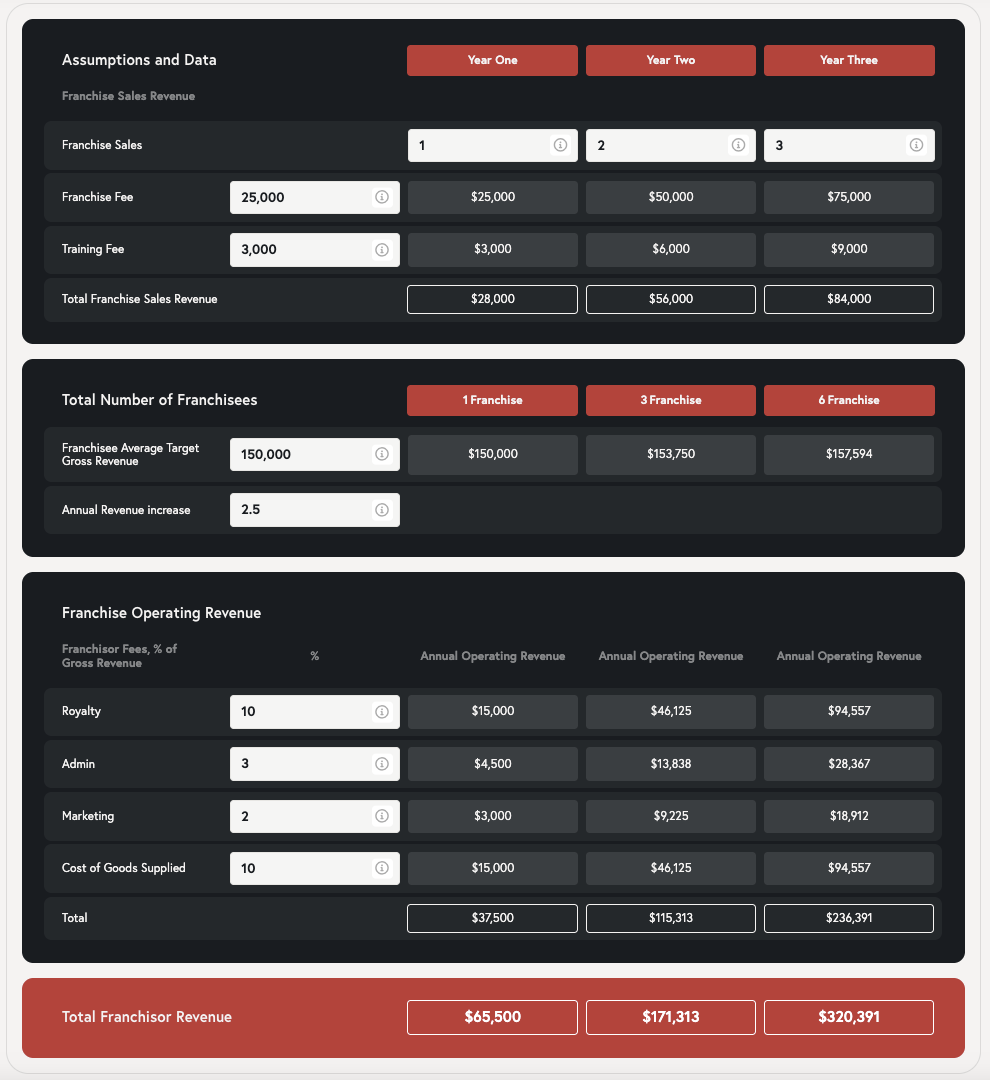
The legal framework is developed alongside this, ensuring franchise agreements and disclosure documents reflect the commercial reality of your model. Financial structures, including franchise fees and ongoing charges, are aligned with what franchisees can realistically afford and sustain.
Finally, recruitment strategies are developed to attract franchise partners who are the right fit for the business, rather than simply filling territories quickly.
Each step plays a role in protecting the long term health of the franchise network.
Do I need systems before franchising my business?
This is one of the most misunderstood aspects of franchising.
You do not need to arrive with fully documented systems before franchising. What you do need is a business that already operates in a reasonably consistent way. The role of franchise development is to extract what you already do, refine it, and document it in a way others can follow.
Operating manuals are built with the business owner, based on real world processes, not theoretical models. This ensures the franchise reflects how the business actually works, not how someone thinks it should work.
Trying to document everything yourself before starting often delays growth unnecessarily. Franchising works best when systems are developed as part of a structured process, with scalability in mind from the beginning.
How long does it take to franchise a business successfully?
The timeline for franchising a business varies depending on complexity, industry, and how prepared the business owner is to engage in the process.
For most Australian small businesses, becoming market ready can take several months. This allows time for systems development, legal documentation, financial structuring, and recruitment preparation to be done properly.
Speed is not the goal. Clarity is. A well built franchise model saves time later by avoiding rework, confusion, and franchisee dissatisfaction.
Businesses that rush the process often face challenges that could have been avoided with a more considered approach.
What are the most common mistakes when franchising a business?
One of the biggest mistakes business owners make is assuming franchising is just a legal exercise. While documentation is important, franchising success depends far more on the strength of the business model and the support framework.
Another common mistake is underpricing the franchise opportunity to attract interest. Franchise fees and ongoing costs must reflect the value provided, while still being achievable for franchisees.
Choosing the wrong franchise partners is another risk. Successful franchising is about alignment, not just financial capability. Recruiting people who share your values and approach reduces conflict and improves long term outcomes.
Finally, many business owners underestimate the importance of ongoing support. Franchising is not a set and forget strategy. It requires engagement, communication, and continuous improvement.
Can small businesses franchise successfully in Australia?
Yes, and many already do.
Small businesses are often better suited to franchising than larger organisations because they are more adaptable and easier to replicate. They tend to have simpler cost structures and closer relationships with customers.
Franchising allows small business owners to grow without taking on the financial burden of opening multiple locations themselves. Franchise partners invest in their own businesses, reducing risk while increasing reach.
With the right structure, small businesses can franchise successfully without losing control of their brand or compromising quality.
Building a franchise model that supports long term success
Successful franchising is built on clarity, structure, and realistic expectations. It is not about being perfect before starting, but about being prepared to build the right foundations.
Every decision, from fee structures to support systems, should be made with long term sustainability in mind. A franchise that works well for franchisees is far more likely to succeed for the franchisor.
Taking the time to build a model that reflects your business, your goals, and your capacity ensures franchising becomes a growth strategy rather than a distraction.
Conclusion
Franchising your business successfully is about more than expansion. It is about creating a model that others can run confidently, profitably, and in alignment with your brand.
With the right approach, franchising can be an affordable, structured, and achievable growth strategy for Australian small business owners. Systems do not need to be in place before starting, and size is not a barrier when the model is sound.
At TMPlus | Tereza Murray Franchising, we help business owners turn proven businesses into scalable franchise models by developing systems, documentation, and structures that support long term success without unnecessary complexity.
.svg)