Can I Franchise a Retail Business Without Owning a Physical Store?
Introduction
In Australia, retail is no longer defined by a shopfront. From online stores and pop-up markets to mobile vans and subscription models, the retail landscape is evolving fast. Many business owners now ask, “Can I franchise my retail business without owning a physical store?”
The answer is yes. Franchising is about a repeatable, profitable system — not a lease. This article explores how to franchise a non-store retail business, what systems you’ll need, and how to structure the model for success in the Australian market.
What Is a Non-Store Retail Franchise?
A non-store retail franchise operates without a fixed premises. Instead, franchisees sell products or services through online platforms, mobile vans, market stalls, pop-up shops, or direct delivery models.
This approach gives franchisees flexibility while allowing the brand to grow quickly and efficiently. The franchisor provides the brand, systems, training, and ongoing support, while franchisees handle day-to-day operations.
For example, an online skincare brand could franchise its system by training partners to manage local online orders, fulfilment, and marketing within their own territories — all under the parent brand.
Can You Franchise a Business Without Owning or Leasing a Shop?
Yes. You can franchise a retail business without ever holding a shop lease. What matters is that your business model can be replicated successfully.
A strong non-store franchise must demonstrate that franchisees can generate sales, deliver consistent service, and maintain brand standards without relying on walk-in traffic. This means clear systems for customer acquisition, fulfilment, marketing, and performance tracking.
Franchisors don’t need to own or operate multiple stores to be credible. What franchisees buy into is your brand reputation, your systems, and the proof that your model works.
What Are the Benefits of a Non-Store Retail Franchise?
Franchising without a shop offers several compelling advantages in the Australian market:
Lower overheads: Franchisees avoid commercial leases and fit-out costs, allowing them to start faster and with lower capital.
Scalability: Without site approval processes or long leases, networks can expand nationally much more quickly.
Flexibility: Franchisees can operate from home, warehouses, or mobile setups to suit their lifestyle.
Consumer reach: Digital and mobile models reach wider audiences and adapt easily to shifting retail trends.
For franchisors, this model provides a more agile way to grow while still ensuring consistent brand delivery.
What Are the Challenges of Franchising Without a Store?
While a non-store model reduces costs, it introduces operational challenges.
Maintaining brand consistency across online, mobile, and market channels can be complex. Logistics and fulfilment must be carefully planned to ensure reliable delivery and customer satisfaction.
Local marketing also becomes crucial — without foot traffic, franchisees rely on digital visibility, social media, and community engagement to generate leads. Territory management is another challenge, as online sales can blur geographic boundaries if not well defined.
What Systems Are Needed to Franchise a Non-Store Business?
Building a franchise without a shop still requires a strong operational foundation. The difference lies in how you deliver and control it.
Operations Manual
Outlines how franchisees run every aspect of the business — from marketing and sales to fulfilment, returns, and customer service.
Brand Standards
Define how the brand appears across online channels, mobile setups, packaging, and marketing materials to ensure consistency.
Training Program
Provides franchisees with the skills to operate effectively, including digital tools, order processing, customer communication, and local promotions.
Supply Chain Model
Clarifies how products are stored, shipped, and replenished. For ecommerce models, this may include central fulfilment and delivery protocols.
Territory Definition
Even without shopfronts, territories are vital. They may be based on postcode areas, delivery zones, or event regions to prevent overlap.
Financial Structure
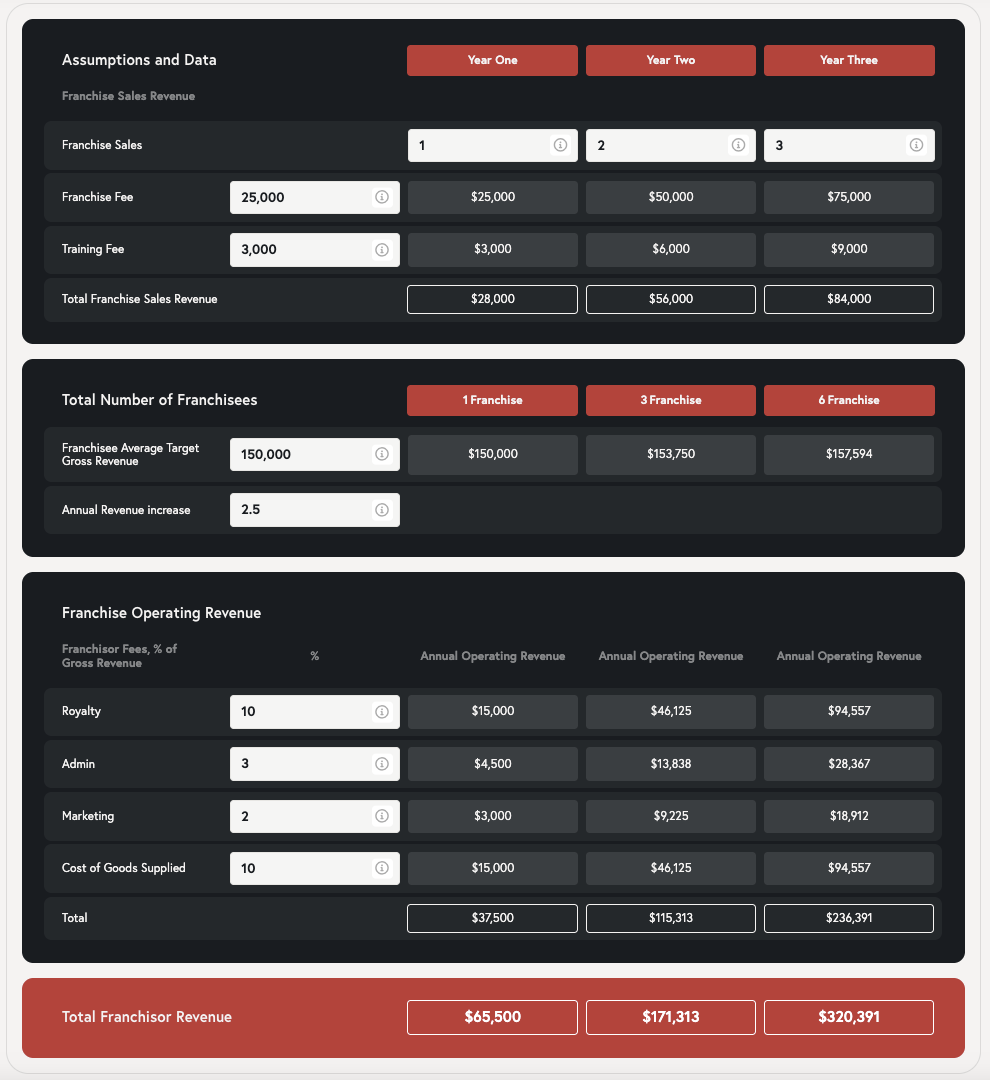
Ensures franchisees understand margins, royalties, and their cost structure. Transparency builds trust and confidence from the outset.
TMPlus can develop all of these systems for you — even if your current business is not yet documented.
How Do Franchise Territories Work for Online Sales?
Territories in non-store models can be geographic or channel-based. For instance, franchisees may be assigned postcode areas where they manage local marketing and receive a share of all sales within that area.
Online orders can be tracked and attributed to the correct franchisee using referral links or customer location data. If you operate through events or markets, you can allocate those opportunities as part of a franchisee’s territory.
The goal is to ensure every partner has a fair, protected opportunity to build their customer base.
What Legal and Compliance Factors Apply in Australia?
Franchising in Australia is governed by the Franchising Code of Conduct, which requires franchisors to provide detailed disclosure and operate in good faith. Even without a physical store, these requirements still apply.
You’ll also need to protect your brand through trade mark registration and ensure compliance with Australian Consumer Law and online trading regulations.
While this article is educational and not legal advice, it’s important to seek professional guidance when developing your franchise documentation.
How Do You Know If Your Business Is Franchise-Ready?
Ask yourself the following:
Have you proven your model with repeatable results?
Are your systems clearly defined or ready to be documented?
Can your supply chain and technology handle multiple operators?
Do you have a distinct, protectable brand identity?
Can franchisees achieve sustainable returns under your pricing and fee structure?
If the answer is yes to most of these, your retail business could be ready to franchise — even without a shopfront.
How to Support Franchisees After Launch
Support is what differentiates strong franchises from those that struggle.
Provide training refreshers, marketing updates, and data insights to help partners grow. Hold virtual meetings, share sales dashboards, and use technology for real-time collaboration. Regular feedback keeps franchisees connected and performing well.
A consistent national marketing calendar, paired with flexible local campaigns, helps maintain brand cohesion while empowering franchisees to build community recognition.
What Does the First Year Look Like for a Non-Store Franchisee?
The first year is about building awareness and refining systems. Early months involve onboarding, launch campaigns, and optimising stock or delivery patterns.
By mid-year, franchisees should have stable operations, a regular customer base, and a clear rhythm for marketing and fulfilment.
By the end of the first year, most non-store franchisees achieve stronger cash flow and brand confidence as they grow their repeat customer base.
Conclusion
Franchising a retail business without owning a physical store is a modern and effective growth strategy in Australia. By focusing on systems, support, and brand integrity, you can scale your retail business nationally without the cost and complexity of leases.
We help business owners build franchise systems that work — including online, mobile, and hybrid models — even if your processes aren’t yet documented. Learn how we can help you take the next step with TMPlus | Tereza Murray Franchising.
.svg)